Solar Foods has reached a major regulatory milestone. The European Food Safety Authority’s Panel on Nutrition, Novel Foods and Food Allergens has concluded that powdered Xanthobacter sp. SoF1 biomass, marketed as Solein®, is safe under the proposed conditions of use.
EFSA adopted the scientific opinion on 31 August 2026, and it was published on 9 November 2026.
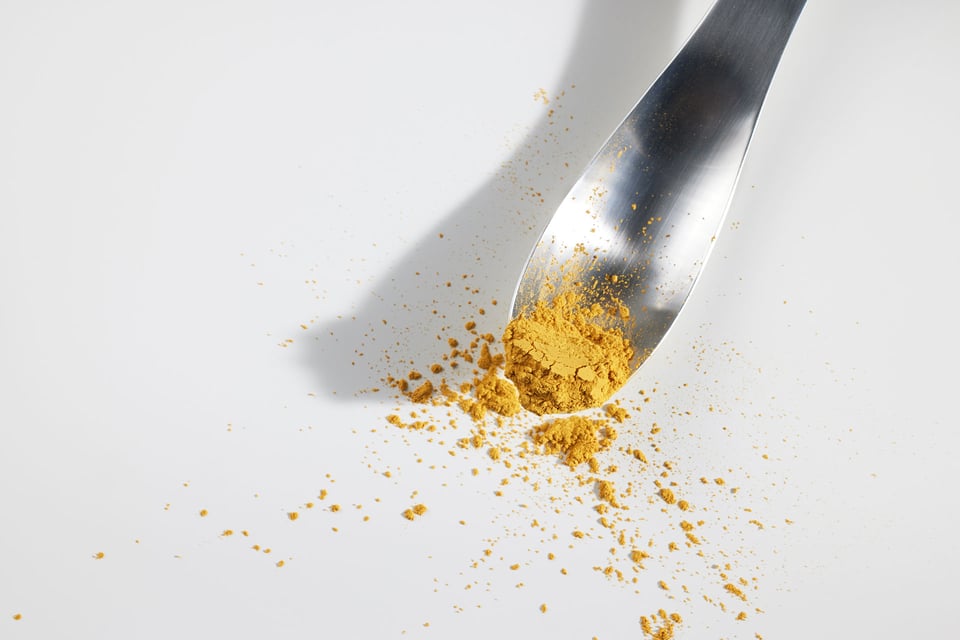
Solein is a protein-rich bacterial biomass produced through gas fermentation. The production organism uses carbon dioxide as its carbon source and hydrogen as an energy source. The resulting biomass is harvested, inactivated and dried into a powder intended for use in several food categories.
For Solar Foods, the opinion represents a major step towards the European market. For the wider food biotechnology sector, it is a significant regulatory precedent for microbial biomass produced through gas fermentation.
And for anyone developing a novel food in Europe, the public record offers something else: a rare opportunity to see what a long regulatory journey consists of.
Biosafe is proud to have contributed scientific studies and safety assessments supporting the Solein application.
From application to opinion: where did five years go?
Solar Foods submitted its novel food application to the European Commission on 29 October 2021. EFSA adopted its positive scientific opinion close to five years later.
The public timeline gives a useful picture of how that period developed:
- 29 October 2021: Solar Foods submits its novel food application
- August 2023: the dossier passes the suitability check and EFSA starts its scientific risk assessment
- October 2023: EFSA sends its first request for additional information
- 2023–2026: six further requests and applicant responses follow during the assessment
- 20 June to 11 July 2024: EFSA holds a public consultation on the non-confidential technical dossier
- 31 August 2026: the NDA Panel adopts its scientific opinion
- 9 November 2026: EFSA publishes the positive opinion
- Next: the European Commission proceeds with the authorisation process
According to the public OpenEFSA timeline, the dossier passed the suitability check in August 2023, almost two years after submission. EFSA had updated its Questions and Answers document on the practical arrangements of the Transparency Regulation during the same month, following lengthy discussions around the application of the new transparency requirements. OpenEFSA also shows that EFSA started its scientific risk assessment in August 2023. The first request for additional information followed in October 2023, approximately two months after the assessment began.
Six further requests and applicant responses were submitted during the assessment process before the NDA Panel adopted its opinion on 31 August 2026.
Studies conducted in response to EFSA’s requests for additional information can require considerable time. Suitable test material must be available, study protocols must be designed, laboratories commissioned, experiments completed and results interpreted before a study report can be submitted. Depending on the scientific question, this process may take several months and may result in a substantial clock stop during the risk assessment.
A new regulatory framework was being put into practice
The implementation of the EU Transparency Regulation also contributed significantly to the overall workload and timeline. The new requirements included study notifications, public disclosure of non-confidential application materials and confidentiality requests. The Solein dossier also underwent a public consultation on the non-confidential technical dossier during summer 2024.
Applicants, EFSA and the European Commission were still adapting to the revised framework while the application was being processed. The administrative and procedural work therefore formed a significant part of the period preceding and accompanying EFSA’s scientific assessment.
In our view, EFSA should be able to provide structured scientific advice on study strategies and evidence requirements, particularly for genuinely novel technologies. The procedural obligations introduced by the Transparency Regulation should also be reviewed for proportionality.
These processes have already become more efficient. Study notifications, the proactive disclosure of application materials and the assessment of confidentiality requests do not themselves establish the safety of a novel food. Regulatory resources should be focused on relevant evidence generation, scientific dialogue and risk assessment.
The opinion was adopted close to five years after the original submission. The positive EFSA opinion does not yet permit Solein to be placed on the EU market. A positive EFSA opinion is followed by the European Commission’s authorisation process. Under Regulation (EU) 2015/2283, the European Commission has seven months from the publication of EFSA’s opinion to submit a draft authorisation to the relevant Standing Committee. Following a favourable committee vote and adoption and publication of the implementing regulation, the novel food can enter the EU market under the authorised conditions.
What did EFSA actually assess?
EFSA considered the information on the identity of the production organism, manufacturing process, composition, stability and specifications sufficient. The Panel did not identify safety concerns in these areas.
Solein consists of inactivated Xanthobacter sp. SoF1 biomass. The production organism and its cellular components therefore form the food ingredient itself.
EFSA’s assessment consequently focused on the identity and safety of the strain, the manufacturing and strain inactivation process, the composition and nutritional quality of the biomass, the consistency of the final product, and its allergenicity potential.
This type of assessment differs from that of a purified fermentation product, where the production microorganism primarily functions as a manufacturing organism and the target substance is isolated and purified through downstream processing.
The Solein case therefore offers an interesting example for developers working with microbial biomass, single-cell proteins and other fermentation-derived foods in which the microorganism itself forms part of the final ingredient.
A microorganism from a novel species
The identity of the production strain received particular attention during the assessment.
In 2022, Xanthobacter spp. was notified to EFSA for evaluation of its suitability for inclusion in the Qualified Presumption of Safety, or QPS, list. As expected, further assessment under the QPS approach could not proceed because the organism had not been identified to the species level.
During the Solein assessment, EFSA paid special attention to attempts to establish the strain’s taxonomic identity. Whole-genome-based analyses ultimately indicated that SoF1 represents a novel species within the genus Xanthobacter.
The opinion therefore provides a useful precedent: identification to an established species is not an absolute requirement for a positive novel food safety assessment. A novel species can receive a positive opinion when it is sufficiently characterised and the relevant safety questions are addressed.
Whole-genome sequence analysis, supplemented with literature review, was used to identify genes potentially associated with antimicrobial resistance, virulence or toxin production.
Following analysis according to the latest EFSA guidance, no antimicrobial resistance genes were identified above the relevant sequence identity and coverage thresholds.
Virulence factors identified in the genomic analysis were associated with lipopolysaccharide (LPS) biosynthesis. The LPS content in the novel food was low and of no toxicological concern.
EFSA also requested additional information on endotoxin levels and the content of mannose, a typical constituent of bacterial exopolysaccharides. The reported values did not raise concerns, and the absence of viable cells in the final product was demonstrated by the applicant.
Taken together, the strain characterisation, genomic analyses, compositional information and manufacturing data allowed EFSA to conclude that the novel food was sufficiently characterised.
Toxicology provided another important part of the evidence
Solar Foods submitted a toxicological data package covering genotoxicity and repeated-dose toxicity.
EFSA found no concern regarding genotoxicity.
In the 90-day oral toxicity study, no adverse effects were observed at the highest dose tested, 1,500 mg per kilogram of body weight per day. EFSA compared this dose with estimated dietary exposure under the proposed uses. The lowest margin of exposure was 212, which the Panel considered sufficient.
A protein-rich ingredient with formulation questions to solve
Solein is a protein-rich ingredient, containing approximately 79 g of protein per 100 g.
Protein quantity, however, does not determine nutritional quality on its own. EFSA reported a digestible indispensable amino acid score, or DIAAS, of 54% for Solein powder. This is below the FAO reference value of 75% used to identify protein of good quality.
The DIAAS result deserves careful interpretation. It indicates that Solein would not provide the same digestible indispensable amino acid profile as higher-quality reference proteins when consumed as the sole protein source. In actual food products, ingredients are commonly combined. Complementary proteins may compensate for limitations in the amino acid profile, and the nutritional value of the final food will depend on its complete formulation.
EFSA assessed whether the proposed uses could create a nutritional disadvantage for consumers. The Panel concluded that Solein was not expected to adversely affect protein nutrition under the proposed conditions of use.
This supports its use as an ingredient in a varied diet. The conclusion relates specifically to safety and nutritional disadvantage under the assessed conditions of use.
What foods could contain Solein?
EFSA assessed the proposed use of Solein in several food categories, including cereal bars, fermented functional drinks, fortified bottled water, milk-alternative ice cream and mayonnaise.
The proposed maximum use levels vary by category:
-
20 g per 100 g in cereal bars
-
9 g per 100 g in fermented functional drinks, including fermented infusions
-
9 g per 100 g in fortified bottled water
-
3.5 g per 100 g in milk-alternative ice cream
-
1 g per 100 g in mayonnaise
These levels provide meaningful scope for product formulation and protein enrichment, while keeping estimated dietary exposure within the levels assessed by EFSA.
From a product-development perspective, Solein’s value may extend beyond its protein score.
Its commercial potential will depend on how it performs in the complete food matrix, including its contribution to protein content, texture, colour, taste, stability and processing characteristics. Public reporting indicates that Solar Foods and Fazer are already exploring uses ranging from protein products to non-dairy ice cream and pasta applications.
EFSA’s positive conclusion creates room for these applications to progress, subject to the uses and maximum levels established in the final EU authorisation. Food manufacturers will still need to assess the nutritional profile and technological performance of each finished product individually.
What can other novel food developers learn from the Solein case?
The public assessment provides several useful lessons for companies developing novel microbial foods.
1. Early and robust characterisation of the microorganism matters.
Whole-genome sequencing, taxonomic identification, AMR assessment, virulence analysis and understanding the biological characteristics of the strain can become central parts of the safety assessment.
2. The manufacturing process is part of the safety case.
For an inactivated microbial biomass, this includes demonstrating the effectiveness of inactivation, characterising the finished product and showing consistency across batches.
3. Additional information requests can create substantial scientific work during the assessment.
Questions raised by EFSA may require new analyses or studies, and these can extend the overall timeline considerably.
4. Nutritional assessment will extend well beyond the amount of a nutrient present in the ingredient.
In the Solein assessment, protein quality, dietary exposure and the nutritional impact of the proposed uses all formed part of EFSA’s evaluation.
For developers of genuinely new technologies, these considerations make early regulatory planning particularly valuable. Identifying likely evidence requirements and scientific uncertainties before submission can help developers design a more complete evidence package and prepare for questions that may arise during the assessment.
A milestone for microbial food innovation
EFSA’s positive opinion is significant for Solar Foods and for the wider field of microbial food production. It demonstrates that a bacterial biomass produced by gas fermentation can meet the EU’s novel food safety requirements when supported by detailed strain characterisation, manufacturing data, compositional analysis and toxicological evidence.
The opinion also defines some of the boundaries within which the ingredient can progress towards the European market.
Solein is protein-rich, while its measured protein quality requires attention in product formulation. The proposed use levels create opportunities across several food categories, and the commercial value of the ingredient will depend on the nutritional and technological performance of the finished products.
For Solar Foods, the opinion removes a major scientific regulatory uncertainty.
Final EU authorisation, industrial scale-up and customer adoption remain ahead.
For other developers, the case provides a valuable public example of the evidence needed to bring an unconventional microbial biomass through the EU novel food assessment.
For Biosafe, it is also especially rewarding to see a long scientific and regulatory process reach this milestone after contributing studies and safety assessments supporting the application.