Fungal mycelium – the filamentous, vegetative network that forms the main body of a fungus – is rapidly becoming one of the most promising ingredients in the alternative protein sector. Unlike mushrooms, the “fruits” of the mycelium that we commonly eat, the use of fungal mycelium itself as food is comparatively new.
Mycelium can be cultivated in fermenters to yield mycoprotein: a nutritious biomass used in meat alternatives, fermented foods, and other products. From traditional foods like tempeh to modern brands like Quorn, mycelium-based foods promise high protein and fibre with a small environmental footprint. This article explains what fungal mycelium is and how it’s used in food, highlights edible species and innovative companies (from Finland’s Enifer to US startups), and examines safety, nutritional benefits, and especially the regulatory landscape in the EU and USA.
The bottom line: in general, mycelium-derived foods must navigate novel food rules (EU) or obtain GRAS status (USA) to ensure safety and consumer confidence.

What is fungal mycelium and why fungi are the new protein factories
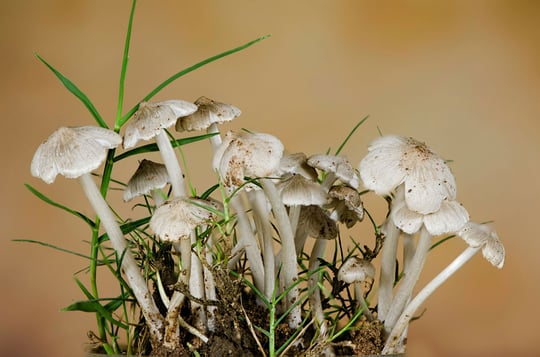
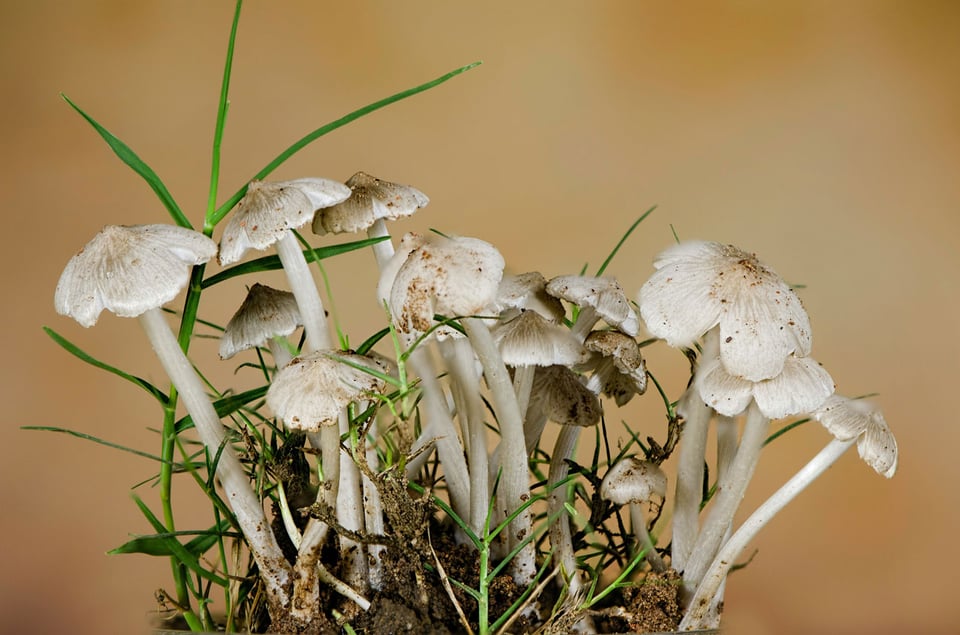
Fungal mycelium consists of interconnected filamentous cells called hyphae that grow through a substrate, absorbing nutrients and forming the basis of fungal biomass. It forms the main growing structure of a fungus, essentially the “roots” of a mushroom. In food production, producers use the mycelium as protein factories, cultivating mycelium in fermentation vessels, allowing precise control over growth, composition and safety.
This approach has two major advantages:
-
Efficiency – fungi convert carbohydrates into protein rapidly and with high yield.
-
Structure – mycelium forms natural fibres, creating textures that resemble meat.
This isn’t entirely new: fermented tempeh (soybeans bound by Rhizopus mould mycelium) have been eaten for centuries in Indonesia. Tempeh uses Rhizopus oligosporus mycelium to ferment soybeans into a firm, nutritious cake making the mycelium itself part of the food.
More recently companies have grown pure mycelium in bioreactors to create mycoprotein, a meat substitute ingredient. When grown in controlled fermentation (similar to brewing or yogurt-making), fungal mycelium produces a thick biomass that can be dried or formed into mycoprotein food products.
The best-known example is the popular meat alternative Quorn™, which is made from the mycelium of Fusarium venenatum, grown via fermentation and then processed into mince or cutlets. Quorn was first developed in 1985 in the UK as a response to fears of protein shortages arising from global population growth in the late 1950s and 1960s. These processes all rely on edible fungi that are non-toxic and safe for consumption.
Key mycelium species on the menu
A variety of filamentous fungi (moulds and mushrooms) have found use in food. Some of the most common edible fungal species used in food products:
|
Fungal Species |
Food Application (Product) |
Notes / History |
|
Fusarium venenatum (microfungus) |
Mycoprotein in Quorn™ meat substitutes |
Developed in the UK in 1985 as a sustainable protein source. Rich in protein & fibre with a neutral flavour. |
|
Rhizopus oligosporus (mould) |
Tempeh (fermented soy product) |
Traditional in Southeast Asia; widely consumed in EU pre-1997 as part of tempeh, hence considered a conventional food. |
|
Aspergillus oryzae (mould) |
Koji used for making miso paste, soy sauce and sake; alt-protein |
A key fermentation ingredient in Asian cuisine. Its mycelium is now used by startups (e.g. Prime Roots) to make meatless bacon and pâté. |
As seen above, some mycelium products are very traditional e.g. use of Aspergillus oryzae or koji was first documented in the 4th century B.C. and is behind many of the familiar tastes of Japanese cuisine like soy sauce. The concept of using fungi as food isn’t far-fetched. We already eat mushrooms and use yeast in baking and brewing beer. Harnessing mycelial biomass opens new possibilities, though. Fungi can efficiently convert agricultural feedstocks or waste into high-quality protein.
Companies pioneering new mycelium-based foods
Numerous companies across the globe have started developing mycelium-based foods. Below are examples of key players currently producing at scale:
|
Region |
Company (Product) |
Fungal Source |
Notable Highlights |
|
Finland |
Enifer – PEKILO® mycoprotein |
Paecilomyces variotii |
Revived a 1970s Finnish innovation; filed for EU novel food approval in 2024. Achieved self-affirmed GRAS status in US in 2025. |
|
Netherlands |
The Protein Brewery – Fermotein® |
Rhizomucor pusillus |
Develops a fungal protein-rich biomass Fermotein® via fermentation. Under novel food assessment in the EU; obtained a positive opinion from EFSA in December, 2025; targets use in alt-meats and feeds. |
|
USA |
Nature’s Fynd – Fy Protein |
Fusarium flavolapis |
Chicago-based startup making Fy nutritional fungi protein from a newly discovered fungus. Received FDA GRAS “no questions” approval in 2021; launched foods like dairy-free cream cheese and meatless breakfast patties. |
|
USA |
Meati Foods |
Neurospora crassa |
Whole-cut meat alternatives from mycelium. Operates a large-scale “Mega Ranch” factory for mass production. |
|
Scotland |
ENOUGH |
Fusarium venenatum |
A Glasgow-based company producing ABUNDA mycoprotein. Cargill provides sugary feedstock for the fermentation process. |
Global interest in mycelium-based protein is soaring. In Europe, startups such as Enifer and ENOUGH are investing heavily in large-scale factories to meet the growing demand for mycoprotein. Across the Atlantic, Meati in the USA is already operating a major production facility, and American consumers can choose from a wide range of mycelium-based products on store shelves.
In contrast, the EU market is still waiting largely due to the lengthy authorisation process that slows down product launches. However, there’s a glimmer of progress. Protein Brewery could be the first to break through, having received a positive opinion from EFSA in December 2025.
Safety considerations for fungal mycelium in food
Is fungal mycelium safe to eat? Generally, yes – if produced under controlled conditions with safe strains. Regulatory evaluations and decades of consumer experience (e.g. Quorn, tempeh) show that mycelium can be a safe food when proper precautions are observed:
-
Non-pathogenic strains of fungal species: Only use strains known or shown to be non-toxic and non-pathogenic. For example, some strains of Fusarium venenatum, are known to produce mycotoxins, such as type A trichothecenes, culmorin and enniatin B. The Fusarium venenatum strain A3/5 (Quorn) was tested extensively to ensure it doesn’t produce harmful mycotoxins under fermentation conditions. Strains are selected or engineered to avoid toxin genes and grown in sterilised vessels to prevent contamination.
-
Digestibility and allergens: Fungal cells have chitinous cell walls, which is considered a type of dietary fibre. Consuming large amounts of mycoprotein can cause minor gastrointestinal upset in a small subset of people (due to high fibre content). True allergic reactions to mycelium protein are rare. Analysis of 15 years of data in the UK found extremely low incidence of Quorn allergies. However, individuals with mould allergies could react to mycoprotein, so labelling and awareness are important. Overall, experts consider mycoprotein less allergenic than many common foods.
-
Metabolic safety: One historical concern with single-cell proteins was high RNA content, which can raise uric acid. Producers address this by releasing RNA to the fermentation broth by e.g. heating or keeping RNA levels low by cell inactivation. Indeed, specifications for modern mycoproteins include limits on nucleic acids (e.g. <2% RNA) and purines.
-
Nutrient profile: Mycelium-based foods are generally nutritious, but diets should be balanced. Mycoprotein is naturally low in fat and cholesterol-free. It contains some vitamins and minerals (although not vitamin B12 unless fortified). A varied diet is still advised. Mycelium products complement, rather than completely replace, other protein sources.
In summary, consuming fungal mycelium poses no novel hazards beyond those of other high-protein, high-fibre foods. The key safety factors are controlling the production process (to prevent contamination or toxin production) and assessing any allergenic potential of the proteins, which is now a standard part of novel food safety assessments.
From land use to emissions: mycelium’s sustainability profile
Beyond nutrition, sustainability is a major driver for mycelium foods. Growing fungi requires far less land and water than raising livestock. Fermentation can occur in tanks stacked in a factory, using agricultural by-products as feedstock, so no farmland or deforestation is needed. According to Enifer, producing mycoprotein via their process results in over 80% lower carbon emissions than producing an equivalent amount of soy protein, and soy itself is already much less emission-intensive than meat. Compared to beef, the carbon savings of mycelium protein are even more dramatic; up to 90% lower GHG emissions per kg of protein, based on life-cycle analyses.
Fungi can double in mass in a matter of hours. A fermentation batch might take only a few days to produce tons of protein, whereas raising animals takes months or years. Moreover, many fungi exhibit high feed conversion efficiency – they can convert carbohydrates into protein with exceptional yield. Some Fusarium strains convert ~30% of input sugars to biomass protein, which is very efficient. They can also use waste streams (like corn stover or food processing by-products), contributing to a circular economy.
No agriculture means no fertilisers or manure runoff. The closed fermentation process minimises waste. Water use is mostly recycling within the broth. Also, because the production is indoors, it’s not weather-dependent and can be done near consumers, reducing transport costs.
These benefits make fungal mycelium one of the most sustainable protein sources. In fact, scientists often note that microbially derived proteins are much more environmentally sustainable than animal proteins, offering a viable long-term solution for a growing population. The combination of healthful nutrition (lean protein + fibre) and eco-friendly production gives mycelium-based foods a unique advantage in the alternative protein market.
Regulation of fungal mycelium foods: EU novel foods and US GRAS
Despite strong scientific potential, regulatory approval remains the key bottleneck for bringing fungal mycelium to European consumers.
In the EU: fungal mycelium under the Novel Food Regulation
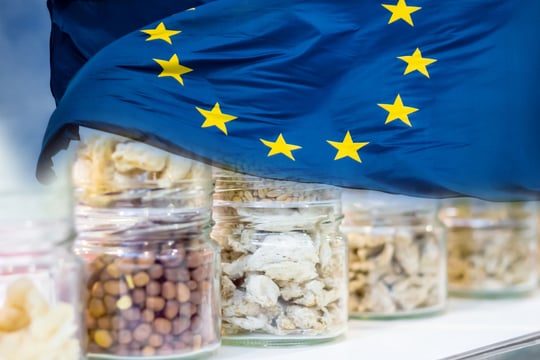
Most mycelium-derived ingredients qualify as novel foods under the Novel Food Regulation (EU) 2015/2283 unless there is verified pre-1997 consumption in Europe. Applicants must submit a dossier including:
-
identity of the fungus and strain
-
production process (including contamination controls)
-
compositional data and specifications
-
toxicological assessment (may include genotoxicity and 90-day studies)
-
allergenicity evaluation
-
exposure assessment
EFSA’s risk assessment is followed by an authorisation decision by the European Commission.
Recent progress:
The Protein Brewery’s Fermotein® received a positive EFSA opinion in 2025, which is an encouraging sign for other fermentation-derived proteins awaiting review.
In the US: fungal mycelium through the GRAS lens
The US pathway is generally faster. Companies may submit a GRAS (Generally Recognized as Safe) notice or self-affirm GRAS status using expert review. The requirements are mostly the same as in the EU, but details and formats differ.
Several mycelium-based proteins already hold GRAS status.

What’s next for fungal mycelium in the food system?
Fungal mycelium is emerging as a cornerstone of the alternative protein landscape. Its sustainability profile, nutritional quality and versatility make it attractive to both innovators and investors. However, achieving regulatory approval, particularly in the EU, requires robust scientific evidence and a meticulous understanding of microbial safety.
As more companies enter the space, harmonised regulatory expectations and high-quality data packages will be critical for ensuring consumer safety and accelerating market access.
Planning a mycelium-based ingredient?
How Biosafe can help
Biosafe supports companies developing fungal mycelium, precision fermentation products and other microbial ingredients. From genomic characterisation to safety studies and EU/US dossier preparation, we help you navigate complex regulatory pathways with confidence.
Get in touch to discuss your regulatory strategy!

Contact our experts and book an appointment for a free short consultation »