-Chicago.jpg?width=960&name=Biosafe-at-the-Future-of-Protein-Production-(FPP)-Chicago.jpg)
At the end of February, Biosafe took part in Future of Protein Production (FPP) in Chicago, one of the most relevant international meeting points for next-generation proteins, fermentation, and food system innovation.
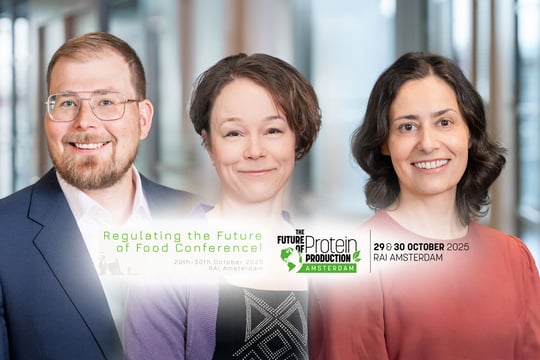
For us, the event was a chance to spend several days in direct conversation with the companies, scientists, investors, and operators who are actively shaping where food is going next. Our Sales Director Janne Ylärinne attended together with Biosafe’s US expert partner, Dr Michele Champagne, which made the trip especially valuable from both a market and regulatory perspective.
What stood out most was the level of technical maturity across the field. Precision fermentation, cultivated ingredients, and microbial production platforms are no longer speculative ideas presented on hopeful slides. Many of these technologies are now being built, scaled, stress-tested, and pushed toward real commercial use. The science is moving. The industrial logic is increasingly there. The ambition is real.
What remains harder is the capital environment around it.
That tension was present in many conversations. The sector has advanced far enough that the questions are less about whether these technologies matter and more about which companies will survive long enough to prove it at scale. Funding is tighter. Risk appetite is narrower. Investors want fewer promises and more evidence. In the current climate, money flows more easily toward defence, energy security, and short-term resilience than toward rebuilding food systems for the long term. That is politically understandable. It is also strategically short-sighted.
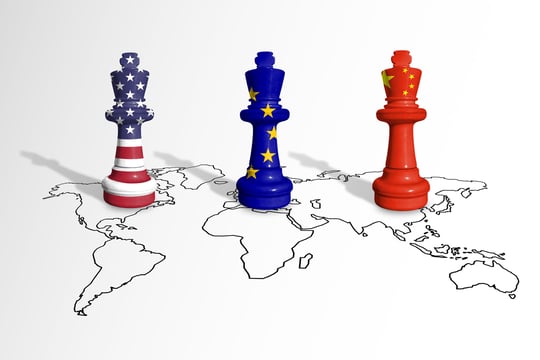
Food production is infrastructure. Protein resilience is geopolitical. A region that cannot modernise how it produces food will eventually feel that weakness elsewhere too.
That is part of what made the event so interesting. FPP Chicago was full of people who understand that the future of food will not be built by optimism alone. It will require regulatory clarity, scientific credibility, industrial patience, and much tougher conversations about what societies are actually willing to back.
We came away encouraged. The creativity in the sector is still strong, the quality of discussion was high, and the need for this work has only become clearer.
Thank you to everyone we met in Chicago. We look forward to continuing the conversations.
 |
Janne YlärinneSales Director, PhD |